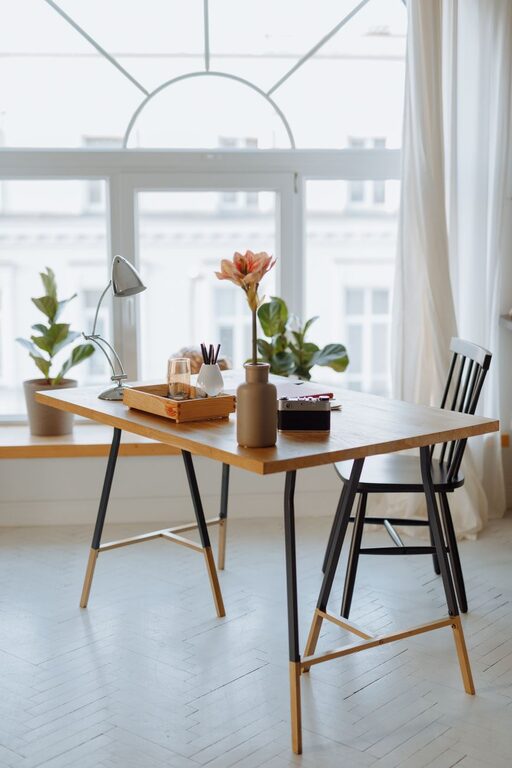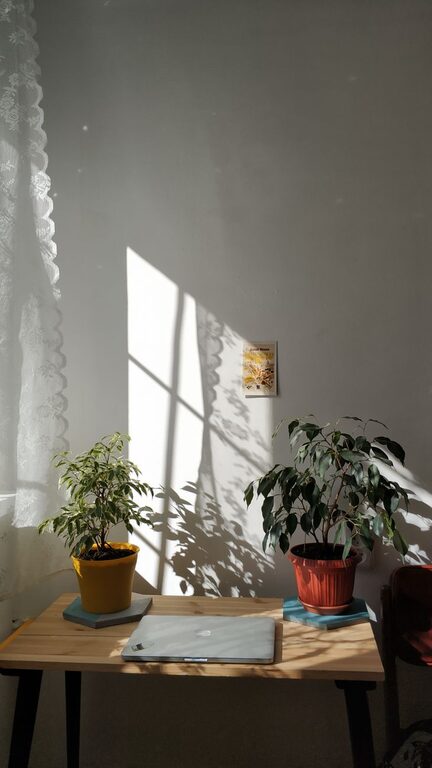
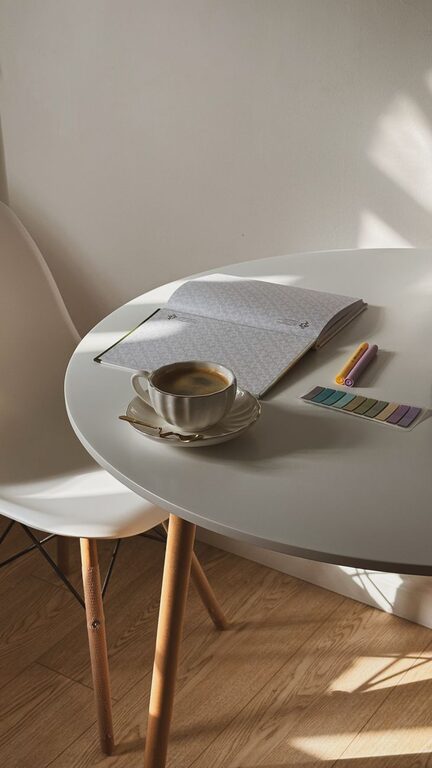
Creating a relaxing home office environment is key to staying productive and motivated throughout your workday. Whether you’re working remotely full-time or occasionally, having a dedicated workspace that feels calm and inspiring can make all the difference. In this post, we’ll explore practical tips and simple adjustments you can make to design a home office that supports your focus and well-being.
Why a Relaxing Home Office Matters
Your work environment directly influences how well you perform. A cluttered or uncomfortable space can lead to distractions, stress, and fatigue. On the other hand, a relaxing office setup helps reduce anxiety, increase creativity, and keep energy levels steady — all crucial for getting tasks done efficiently.
Choose the Right Location
Start by selecting the best spot in your home for your office. Ideally:
– Find a quiet corner or spare room with minimal foot traffic.
– Opt for a space with natural light to help boost mood.
– Avoid areas near noisy appliances or heavy household activity.
If you don’t have a separate room, consider using room dividers or arranging furniture to create a clear separation between work and living spaces.
Invest in Comfortable, Ergonomic Furniture
Comfort is vital for long hours at your desk. Ergonomic furniture helps prevent aches and strains.
– Desk: Choose a desk with enough surface area for your computer, notes, and any tools you use.
– Chair: Select an adjustable chair with good lumbar support and cushioning.
– Optional: A footrest or standing desk converter can also promote better posture.
Taking care of your body in your workspace reduces fatigue and helps you focus better.
Keep Your Space Organized
Clutter can overwhelm your brain and interfere with concentration. Maintain an organized space to keep your mind clear:
– Use shelves, drawers, or filing cabinets to store supplies and documents.
– Keep your desk surface tidy by only keeping essentials on hand.
– Invest in cable organizers to prevent tangled cords.
– Have a daily or weekly routine for tidying up your workspace.
An uncluttered desk invites a calm, productive mindset.
Incorporate Soothing Colors and Décor
Colors have a subtle but powerful effect on mood. To promote relaxation:
– Use soft, neutral tones like light blues, greens, or grays on the walls and décor.
– Add a few personal touches such as framed photos, artwork, or plants.
– Avoid overly bright or harsh colors that can increase stress or distract.
Balancing simplicity with small, inspiring decorative elements creates a space that is both comfortable and motivating.
Maximize Natural Light and Layer Artificial Lighting
Bright, natural light helps reduce eye strain and keeps you alert. Position your desk near a window if possible. If natural light is limited:
– Use a high-quality desk lamp with adjustable brightness.
– Include soft ambient lighting such as floor lamps to reduce contrast.
Layering different light sources helps create a warm, welcoming environment suited for various tasks.
Introduce Plants for Freshness
Adding greenery is an easy way to improve air quality and add a calming vibe.
– Choose low-maintenance plants like pothos, snake plants, or succulents.
– Place them near your desk or on shelves where they can be easily seen.
– Even a small plant can boost mood and reduce stress.
Plants bring a bit of nature indoors, making your workspace feel fresh and alive.
Manage Noise Levels
Noise distractions can significantly impact focus. Consider:
– Using noise-canceling headphones if you can’t control ambient sounds.
– Playing soft instrumental music or white noise to mask background noise.
– Adding soft textiles like rugs or curtains to absorb sound.
Creating a quiet or soothing sound environment helps you maintain concentration for longer stretches.
Personalize Your Workspace Thoughtfully
While minimalism helps with calmness, adding personal elements makes the space inviting.
– Include items that inspire or motivate you but avoid cluttering.
– Change accessories seasonally to keep the space feeling fresh.
– Use a vision board or calendar to visualize goals and timelines.
A workspace that feels uniquely yours supports your mental connection to your work.
Take Breaks and Move Around
No matter how perfect your space, your body needs regular movement. To stay productive:
– Schedule short breaks every hour to stretch or walk around.
– Use a timer or app to remind you to step away from your desk.
– Practice simple desk exercises to relieve tension.
A relaxing home office supports not only work but also healthy work habits.
Final Thoughts
Designing a relaxing home office doesn’t require spending a fortune or a complete overhaul of your space. Small changes like reorganizing, improving lighting, and adding a few personal touches can have a big impact on your comfort and productivity. With a little care and creativity, you can create an environment that makes working from home more enjoyable and efficient.
Start with a few of these tips today and watch how your home office transforms into a place where you feel calm, focused, and ready to tackle your day.
About the Author