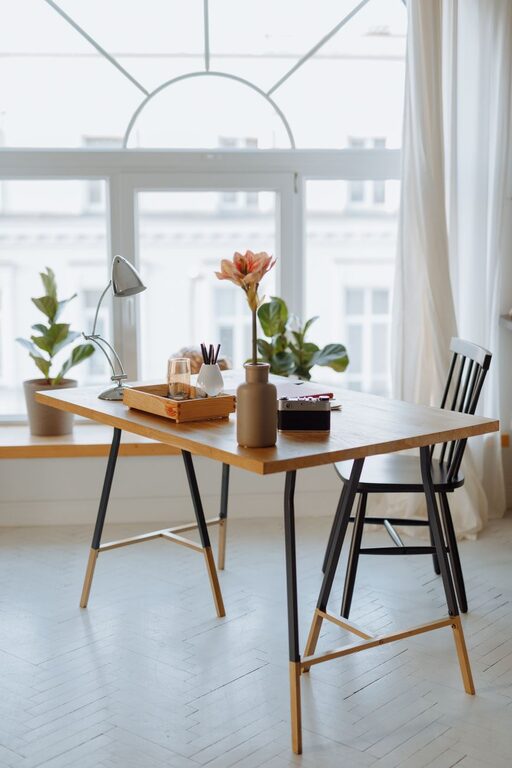

Creating a cozy and inviting home workspace is more important than ever as many people find themselves working or studying from home. A well-designed workspace not only enhances your productivity but also supports your well-being by making you feel comfortable, focused, and motivated throughout the day.
In this post, we’ll explore practical tips for setting up a home office that feels warm and welcoming without sacrificing function. Whether you have a dedicated room or a small corner, these ideas will help you create a space where you want to spend time.
1. Choose the Right Location
Selecting the right spot for your workspace sets the foundation for comfort and efficiency.
– Quiet and Low-Traffic Area: Pick a space away from high noise areas like living rooms or kitchens if possible.
– Natural Light: Position your desk near a window to benefit from natural light, which is known to boost mood and reduce eye strain.
– Adequate Space: Ensure enough room for your desk, chair, and any equipment you need without feeling cramped.
2. Invest in Comfortable Furniture
Comfortable furniture is essential for maintaining focus and avoiding physical discomfort.
– Ergonomic Chair: Choose a chair that supports good posture, with adjustable height and lumbar support.
– Proper Desk Height: Your desk should allow your arms to rest comfortably, ideally at a 90-degree angle.
– Footrest or Cushion: If your feet don’t rest flat on the floor, consider a footrest to reduce strain.
3. Personalize Your Workspace
Adding personal touches makes your workspace inviting and inspiring.
– Colors and Textures: Incorporate warm colors or calming hues through wall art, cushions, rugs, or curtains.
– Plants: Indoor plants improve air quality and add life to your workspace.
– Decor and Accessories: Display favorite photos, motivational quotes, or meaningful objects to uplift your mood.
4. Optimize Lighting
Proper lighting reduces eye strain and helps maintain alertness.
– Layered Lighting: Combine overhead lights with desk lamps to adjust brightness as needed.
– Natural vs Artificial Light: Use daylight bulbs that mimic natural light if your space lacks windows.
– Avoid Glare: Position screens and lamps to avoid reflections or harsh shadows.
5. Declutter and Organize
A tidy space promotes mental clarity and efficiency.
– Storage Solutions: Use shelves, drawers, or baskets to keep supplies organized.
– Cable Management: Keep wires neat with clips or sleeves to avoid tangled messes.
– Regular Cleaning: Dedicate time to clear out unnecessary items and wipe down surfaces.
6. Incorporate Technology Wisely
Technology should support your work without creating distractions.
– Reliable Equipment: Invest in quality computers, monitors, keyboards, and headphones.
– Wireless Options: Minimize cords for a cleaner desk setup.
– Ergonomic Accessories: Consider keyboard trays or laptop stands to improve posture.
7. Add Comfort Elements
Small touches can make your workspace more pleasant during long hours.
– Cozy Textiles: Keep a soft blanket or cushion nearby for extra comfort.
– Scent: Use a diffuser or scented candles (if allowed) with calming fragrances like lavender.
– Temperature Control: Have a fan or space heater to maintain a comfortable climate.
8. Create a Routine and Boundaries
Design your workspace not just physically, but mentally.
– Dedicated Workspace: Keep work materials in one area to signal “work mode” to your brain.
– Set Work Hours: Stick to scheduled breaks and finish times to maintain work-life balance.
– Minimize Distractions: Use noise-canceling headphones or apps to stay focused.
—
Final Thoughts
A cozy and inviting home workspace combines comfort, functionality, and personal style. By paying attention to lighting, furniture, organization, and your own preferences, you can create an environment that supports productivity and makes working from home more enjoyable. Start small with these tips, and your workspace will soon feel like your favorite place to work.
About the Author