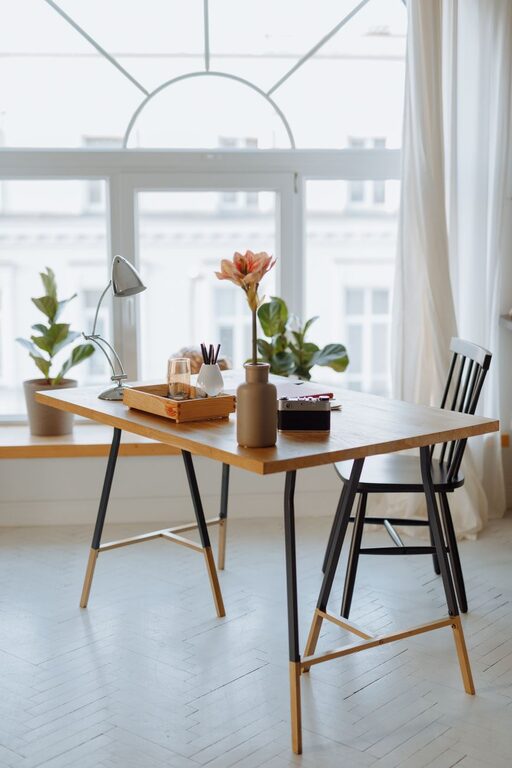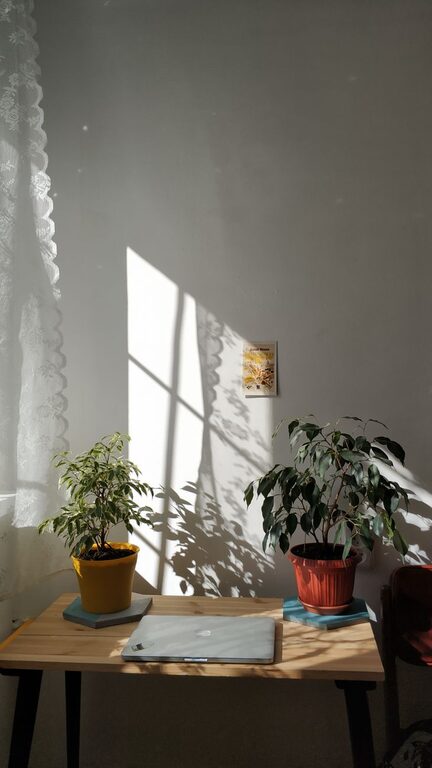
Creating a relaxing home workspace is more important than ever as many people spend significant time working from home. A well-designed workspace can improve your focus, reduce stress, and help maintain a healthy work-life balance. Whether you have a dedicated room or just a small corner, these tips will guide you in setting up a calm and productive environment.
Choose the Right Location
The first step is selecting where to set up your workspace. Ideally, pick a quiet area with minimal distractions.
– Natural Light: Position your desk near a window if possible. Natural light uplifts your mood and reduces eye strain.
– Separate from Living Areas: If you can, avoid setting up in high-traffic spaces like the kitchen or living room.
– Consider Your Needs: Think about whether you need extra storage, space for meetings, or a simple desk for your laptop.
Invest in Comfortable Furniture
Comfort is key in a relaxing workspace. Uncomfortable furniture can lead to distractions and even physical pain.
– Ergonomic Chair: Choose a chair that supports your back and promotes good posture.
– Appropriate Desk Height: Your desk should allow your arms to rest comfortably while typing.
– Footrest or Cushions: These can add extra comfort if your feet don’t reach the floor or you sit for long hours.
Keep Your Workspace Organized
Clutter can be stressful and hinder productivity. Adopt simple organization habits.
– Minimal Objects: Keep only essentials on your desk to avoid distractions.
– Storage Solutions: Use shelves, drawers, or boxes to store supplies neatly.
– Daily Tidying: Spend a few minutes at the end of each day tidying up your workspace.
Personalize with Calming Touches
Adding small personal elements can make your workspace more inviting and peaceful.
– Plants: Adding greenery boosts mood and purifies the air.
– Soft Lighting: Use lamps or LED strips with adjustable brightness to create a warm ambience.
– Colors: Choose calm colors like soft blues, greens, or neutrals in your decor.
– Artwork or Photos: Select pieces that inspire or relax you without cluttering the space.
Manage Noise Levels
Noise can distract and increase stress, so controlling the sound in your workspace helps maintain calm.
– Noise-Canceling Headphones: Useful if you can’t control background noise.
– White Noise Machines or Apps: These can mask disruptive sounds.
– Soft Furnishings: Rugs, curtains, and cushions absorb sound and reduce echo.
Take Breaks in a Relaxing Manner
A relaxing workspace is not just about the setup but also how you use it.
– Scheduled Breaks: Stand up, stretch, or walk around every hour.
– Breathing Exercises: Short mindfulness or breathing exercises can quickly reduce tension.
– Hydration and Snacks: Keep water and healthy snacks nearby to stay energized.
Optimize Technology for Comfort
Technology can be a source of stress if not set up well.
– Monitor Position: Your monitor should be eye level to prevent neck strain.
– Wireless Devices: Reduce cable clutter by opting for wireless keyboards, mice, and headphones.
– Adjust Screen Settings: Use blue light filters and set appropriate brightness to ease eye fatigue.
– Stable Internet: Ensure reliable connectivity to avoid frustration during work.
Establish Boundaries
Creating a relaxing workspace also means setting boundaries, especially if you share your home.
– Work Hours: Define and stick to set working hours.
– Clear Signals: Use signs or cues to let others know when you should not be disturbed.
– Separate Work and Rest: Avoid using your workspace for non-work activities to maintain mental separation.
Keep Your Workspace Clean
Regular cleaning contributes to a fresh and inviting area.
– Dust Surfaces: Dust can impact air quality and comfort.
– Sanitize Key Areas: Keep your keyboard, mouse, and desk clean to prevent germs.
– Stay Fresh: Open windows for fresh air when possible or use air purifiers.
—
Creating a relaxing home workspace doesn’t require a big budget or extensive renovation. Small, thoughtful changes can make a big difference in how you feel and perform during your workday. Start with the basics: a quiet spot, comfortable furniture, and good organization. Then personalize your space with calming colors, plants, and lighting to create an environment where you enjoy spending time. Remember, the goal is to build a space that supports both productivity and peace of mind.
About the Author